When farewells become routine
In Oslo, NRK describes how solitary funerals have become a recurring part of the city’s rhythm. These are people who die without any relatives stepping forward. Perhaps contact was broken long ago, or perhaps nobody was in a position to take responsibility.
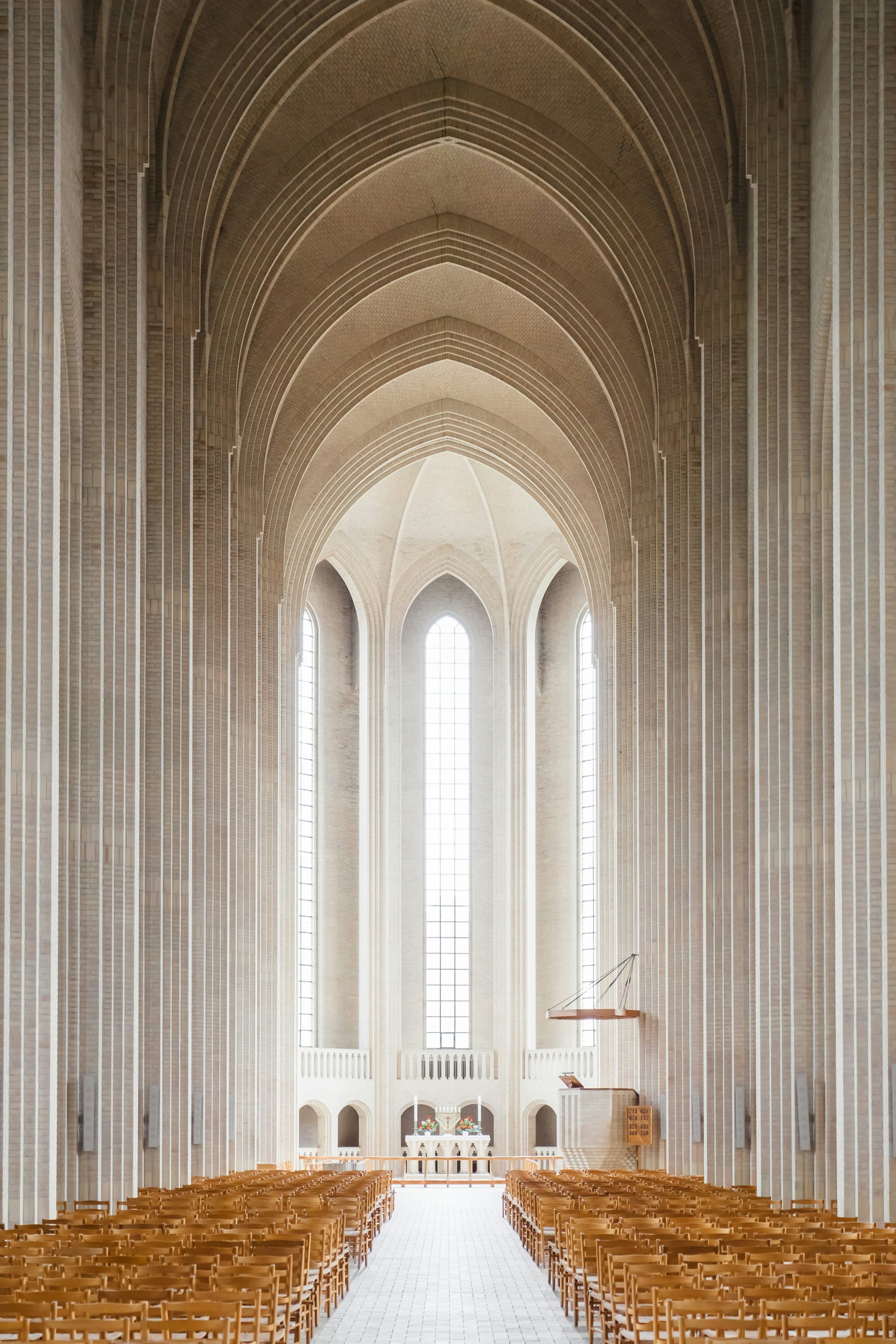
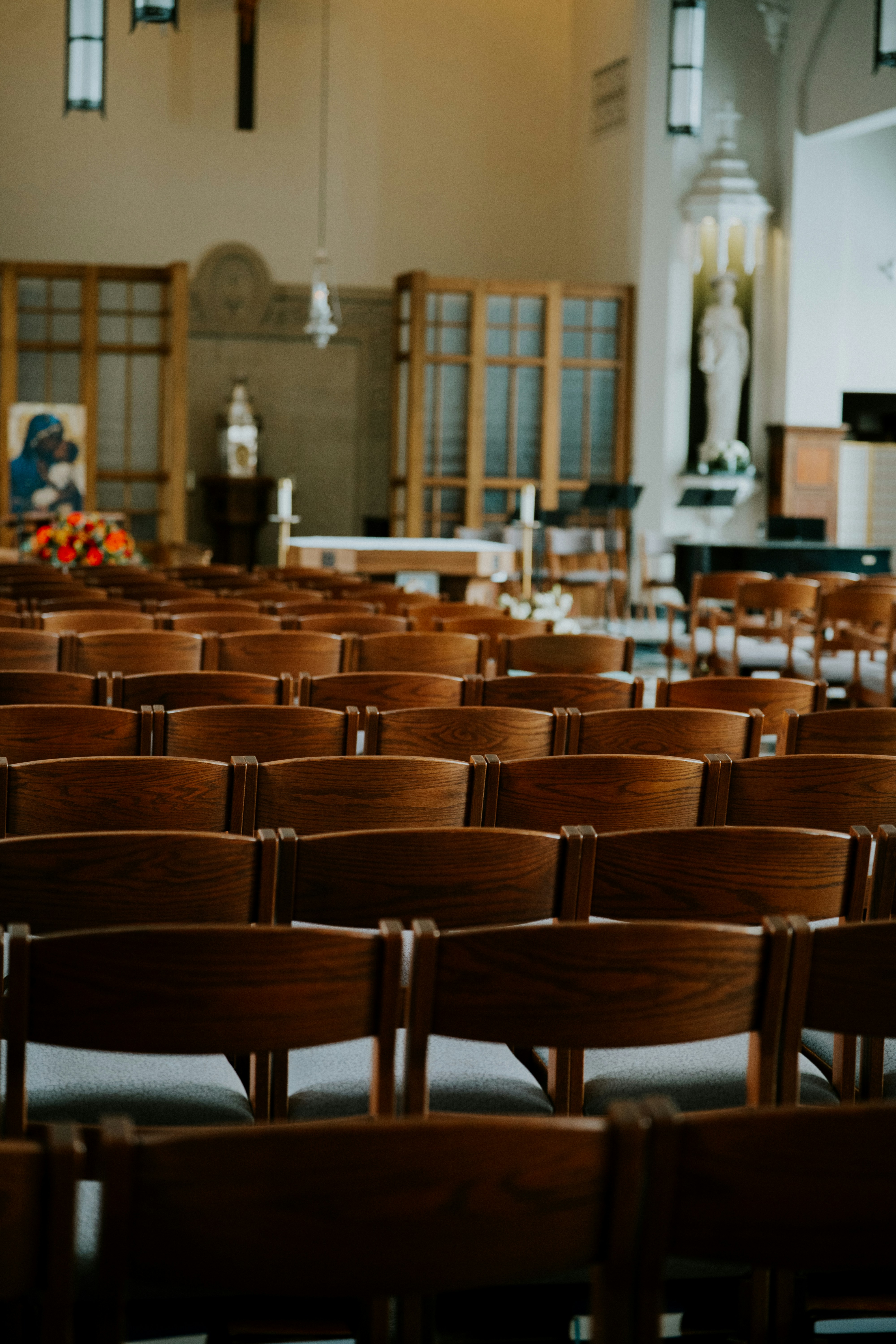
When no next of kin can be found, the municipality steps in. Everything follows established procedures and is handled according to protocol. Yet the result is often a ceremony without response. An officiant reads the necessary words, but there are no sobs, no whispered memories, and no flowers from someone who truly knew the deceased.
Behind every ceremony is a life – but without anyone in the room to carry that story forward. When the service ends, nobody remains behind.
A voice in the empty room
In Jönköping, Bengt, a retired deacon, has chosen to do something unusual. SVT Nyheter has reported on how he attends funerals where he knows the chairs would otherwise stand empty.
Bengt is there simply as a human presence. He folds his hands and sings. His voice fills a space that would otherwise contain nothing but the hum of ventilation systems and the sound of passing traffic outside.
He does not sing because he knew the person, but because he believes nobody should leave life in complete silence. His actions do not change the system, but they change the moment. An empty room becomes something else when a voice fills it.
A reflection of our time
The fact that young people today worry about their future funerals is ultimately about more than death itself. It reflects the nature of our relationships while we are still alive. It speaks to the fear of what happens when the social safety net functions technically, yet human presence is missing.
In a time where we have more points of contact than ever before, but where many relationships are fleeting, the lonely funeral becomes a tangible endpoint. It shows what happens when the legal responsibilities are fulfilled, but nobody remains who remembers the stories or the laughter.
When the silence is broken
There are no political decisions capable of forcing grief into existence. A municipality can pay for the ceremony, but it cannot order a memory.
Perhaps that is where the question ultimately lands. The fear expressed by many young people mirrors the reality seen in chapels today: that it is possible to disappear from the world without leaving traces in other people.
And yet, there are exceptions like Bengt. People who arrive without being asked and stand in rooms where nobody else stands. They show that the difference between a lonely farewell and a dignified ending can be as simple as someone choosing to come.