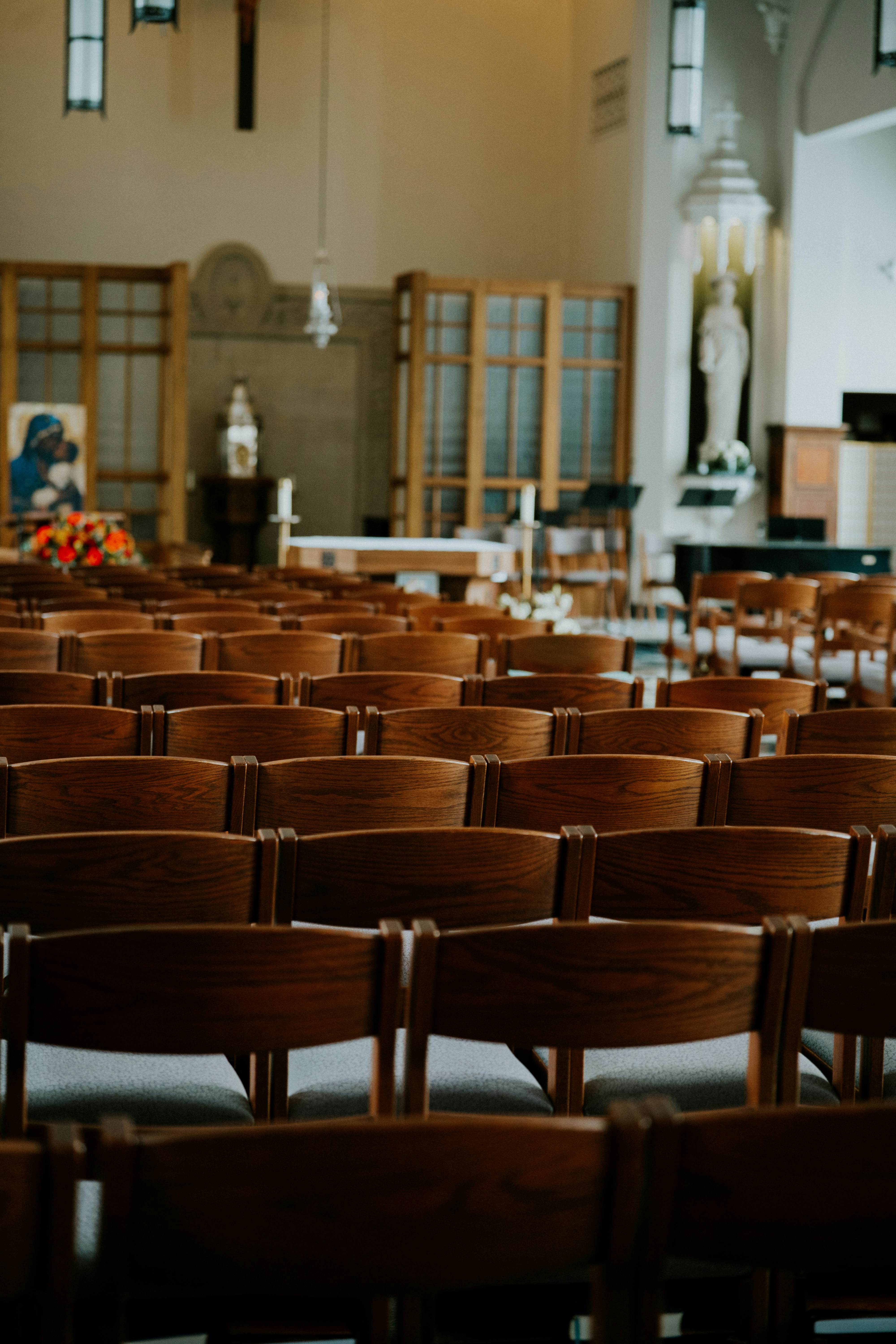
Arve Ammerud’s aunt Lise had no children of her own. She was 92 when she died, and many of her friends had already passed away. As the funeral was being planned, Arve imagined a large church with just a handful of people sitting in the front pews.
The thought troubled him. He wanted to give his aunt a dignified farewell, but feared that a traditional funeral might instead emphasise how few people were left to attend.
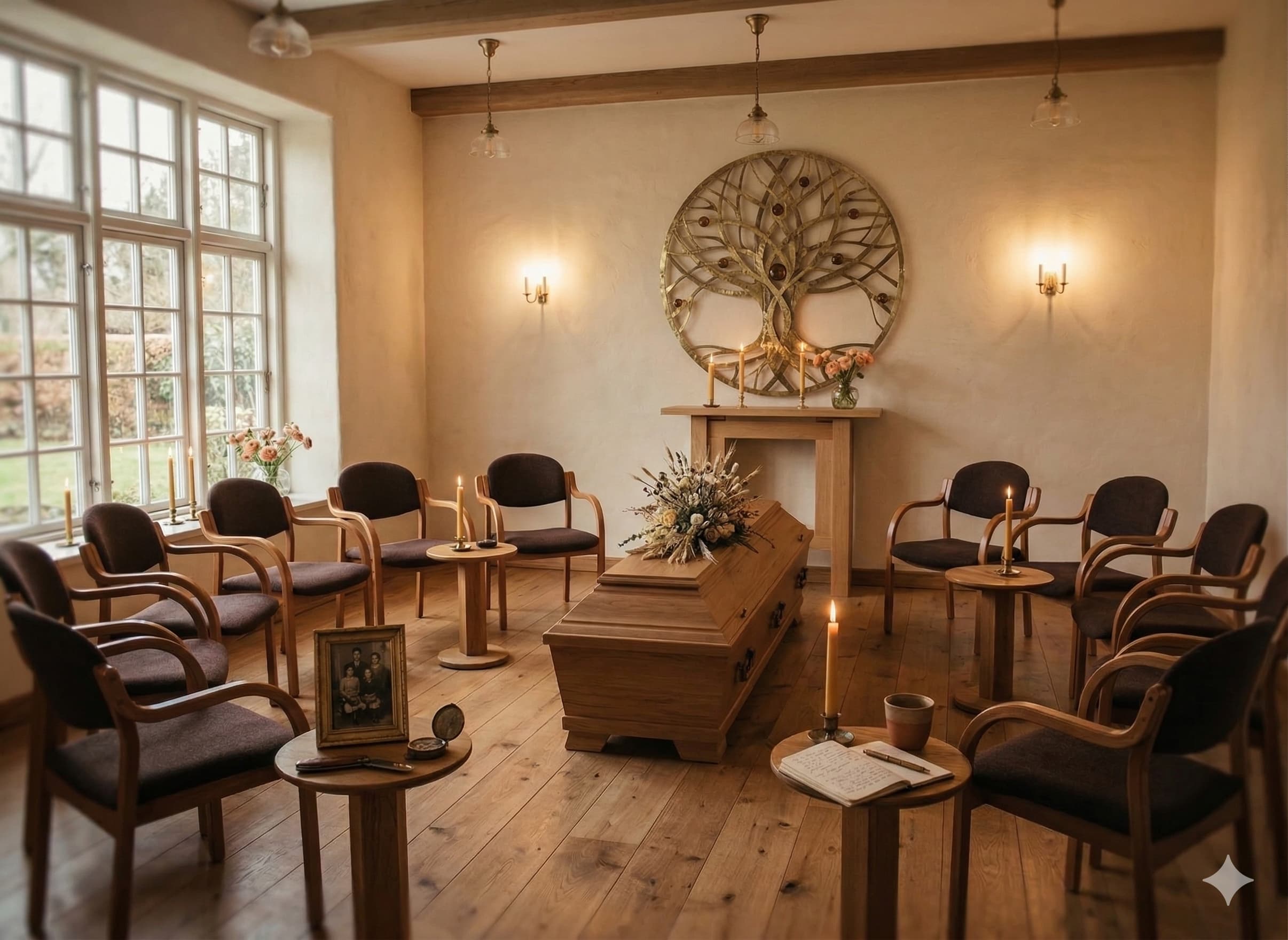
In a report by Norway’s TV 2, he describes how the family chose a different approach: a conversation-based ceremony in which those closest to the deceased gather around the coffin and share their memories.
Seven people gathered to remember
The ceremony is a concept developed by the Norwegian funeral company Jølstad. Unlike a traditional funeral, where mourners primarily listen to a priest or officiant, this format centres on a shared conversation guided by a ceremony leader.
Family members can tell stories, show photographs and listen to music that was meaningful to the person who has died. The emphasis is not on the number of people attending or the scale of the ceremony, but on remembering a life together.
For Arve and his family, this meant seven people gathering around Aunt Lise’s coffin. They looked through old photo albums and shared stories about her time in the United States and memories from the years before the Second World War.
There was laughter, too. Rather than allowing the dementia that had affected her final years to define the farewell, the family made room for other parts of her life.
Arve describes the experience as a warm and dignified way to say goodbye.
An alternative to the traditional funeral
Jan Willy Løken, CEO of Jølstad, told TV 2 that more people are looking for ways to shape funerals around the personality of the deceased and the wishes of the family.
The conversation-based ceremony is one response to that demand. It may be particularly suitable when only a few close relatives remain, but also for families who want to play a more active part in the farewell.
Sharing memories is, of course, nothing new. It already happens at many funerals and gatherings afterwards. What distinguishes Jølstad’s approach is that the conversation forms the heart of the ceremony itself, rather than taking place only after the formal farewell.
This does not mean that traditional funerals are necessarily impersonal, or that a ceremony attended by only a few people is any less dignified. But for families who do not feel comfortable with the usual format, a different approach can make a meaningful difference.
For Arve Ammerud, the decision was ultimately about finding a farewell that reflected his aunt’s life and the people who remained close to her.
Instead of the almost empty church he had imagined, seven people came together to remember who Lise had been.