Scotland has taken a new step in the development of funeral practices. Regulations that came into force on 2 March 2026 permit alkaline hydrolysis, a water-based method of processing human remains.
The new regulations were approved by the Scottish Parliament on 21 January 2026 and formally made on 3 February.
The process, often referred to as water cremation or resomation, is now legally recognised as an alternative to burial and conventional cremation.
What does the decision mean?
The regulatory change allows operators in Scotland to seek the necessary approvals to provide alkaline hydrolysis. It does not, however, mean funeral providers can immediately begin offering the service.
Facilities and equipment must meet the applicable requirements before the process can be used.
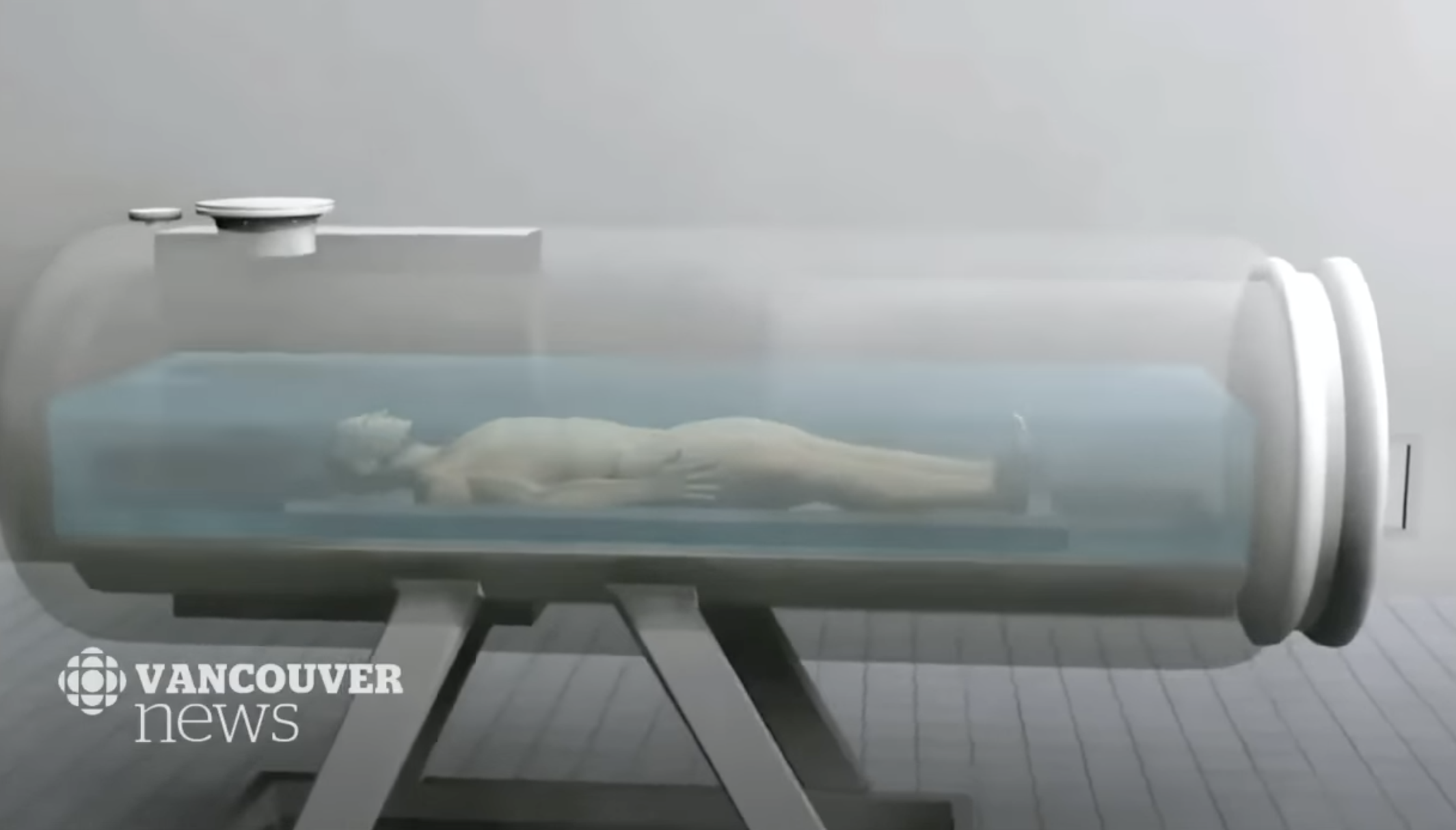
Alkaline hydrolysis breaks down the body using water, alkaline chemicals, heat and pressure. Among the remaining materials are bone minerals, which can be processed into a powder in a similar way to the bone fragments left after conventional cremation.
An alternative with environmental ambitions
One of the arguments in favour of water cremation is its potential to reduce environmental impacts compared with conventional cremation, particularly when gas-fired cremators are used.
Supporters point out that the process does not involve the same combustion stage and may therefore reduce certain direct emissions into the atmosphere.
However, water cremation is not emissions-free. It requires energy and chemicals, and the resulting liquid must be handled in accordance with relevant requirements.
The scale of any environmental benefit therefore depends on several factors, including the energy source, the design of the facility and how the process water is treated.
From technical possibility to legal option
Alkaline hydrolysis has been discussed as an alternative to conventional cremation for many years. Scotland's decision to establish a specific regulatory framework is therefore an important step towards making the technology legally available as a funeral option.
The development is also relevant to countries such as Sweden, where the legal treatment of alternative methods remains an important consideration.
Scotland's approach illustrates how a country can create a legal basis for a new method while introducing requirements for facilities, oversight and practical implementation.
What happens next?
The next question is when and how alkaline hydrolysis will become available to families in Scotland.
Legalisation is a significant development, but actual access depends on operators establishing facilities and securing the necessary approvals.
The Scottish experience may also be of interest to other European countries considering alternatives to existing funeral methods.
For readers interested in the technology itself, Eftertid has previously published an in-depth article on resomation, examining how the process works and its environmental, technical and legal considerations.