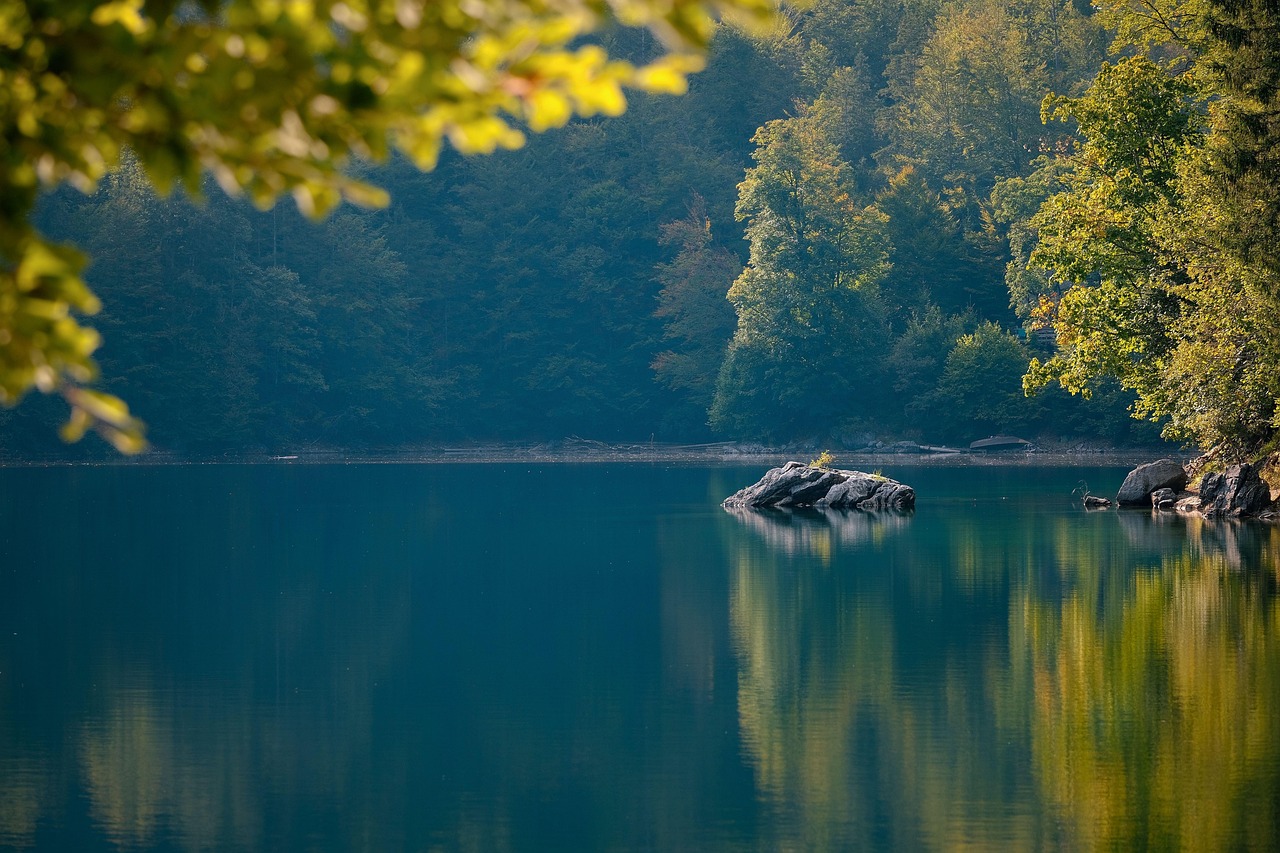
Research into nature, mental health, and so-called “therapeutic landscapes” suggests that certain environments can support reflection, restoration, and emotional well-being. Nature does not remove grief, nor does it offer easy answers. What it can provide is something quieter: a place where grief can simply exist.
A Place Away From Everyday Demands
Modern life is often filled with noise, expectations, and constant activity. Natural environments offer a different experience.
Unlike workplaces, social settings, or even our own homes, nature rarely asks anything of us. There are no tasks to complete, no conversations to navigate, and no pressure to explain how we feel.
Researchers in environmental psychology have long explored how green spaces affect human well-being. At the Swedish Psychiatric Congress 2025, nature’s role in supporting mental health was highlighted as a growing area of research, with studies pointing to its ability to reduce stress and promote recovery.
For someone who is grieving, this may be as simple as finding a moment where thoughts can wander freely. A walk does not need to lead to insight or resolution. Sometimes, being in a place where silence can settle in is enough.
Nature Reflects Life’s Changes
Many people also find meaning in the rhythms of the natural world.
The seasons change. Trees lose their leaves and grow them back. Flowers bloom, fade, and return. Landscapes evolve while remaining recognisably the same.
Researchers studying grief and place attachment have noted that natural environments can help people view their experiences within a broader context. Nature offers no explanations for loss, but it quietly reminds us that change is part of every living thing.
This does not lessen the pain of grief. What it can do is provide space for reflection—space to remember what has been lost, while also recognising that life continues to move forward.
More Than a Place of Burial
For centuries, cemeteries have occupied a unique position between nature, memory, and mourning.
Many burial grounds were intentionally designed as landscaped gardens and public parks. Trees, flowers, winding pathways, and open green spaces were meant to create an atmosphere of peace and contemplation, not simply a place for burial.
Today, many cemeteries continue to serve this role. They are places of remembrance, but also places where people walk, observe wildlife, experience seasonal change, and spend time in quiet reflection.
For those who are grieving, a cemetery can become more than somewhere to visit a grave. It can be a place where memories feel close, while the wider world continues around them.
An Enduring Human Tradition
Seeking comfort in nature during times of grief is far from a modern phenomenon.
Throughout history, people have turned to forests, mountains, rivers, gardens, and sacred landscapes during periods of loss and transition. In many cultures, the natural world has played an important role in rituals surrounding death, remembrance, and mourning.
Perhaps this enduring connection exists because nature offers something that grief itself often demands: patience.
When loss changes the shape of everyday life, many people search for something steady. For generations, nature has been one of the places where they have found it.