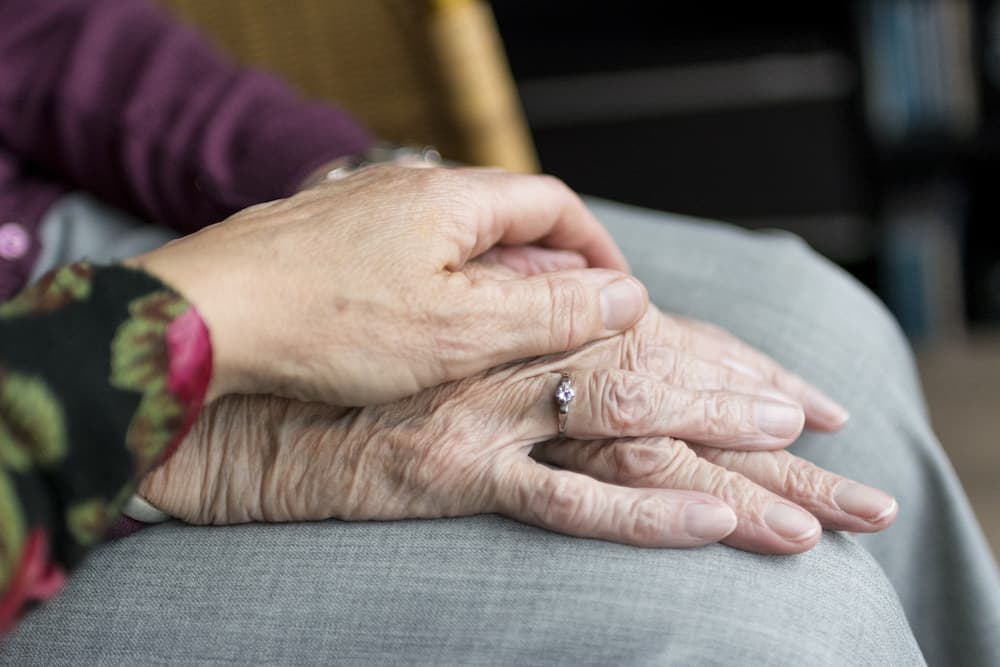
Grief rarely begins the moment a heart stops beating. For someone caring for a loved one at the end of life, the process has usually been underway for weeks, sometimes months—an unspoken and exhausting period of preparation.
In a new national register study from Örebro universitet, published in the scientific journal Palliative Care and Social Practice, researchers analyzed responses from 563 relatives involved in specialized palliative home care. The answers reveal a sharp paradox: while 99.1 percent of relatives reported that they knew exactly where to get urgent help, many described the final period as overwhelming, lonely and, in some cases, unworthy.
The researchers identified two conflicting experiences of the same situation: the home as a safe and dignified place to die—and the home as a difficult, isolating and frightening arena.
The involuntary care coordinator
When a seriously ill person is cared for at home, relatives often become more than just family members. The study shows how, in practice, loved ones are forced to step into the role of involuntary care coordinators. This involves interpreting symptoms, handling practical matters and navigating between different care services during a period of intense emotional strain.
Once specialized care is in place, most people experience a great deal of reassurance. But in the long stretches in between—during all the other hours of the day—the relatives are often left in an existential void, expected to hold everything together. Many describe the period after an older person is discharged from hospital as particularly vulnerable: the time it takes before the specialist team has established itself in the home can feel like being left to fall between the chairs.
Loneliness in the face of the end
Perhaps the most significant shortcoming, however, concerns the final, decisive communication. Many relatives say afterward that they did not receive clear enough information that death was near.
The result is that death is experienced as sudden and shocking, even though the illness has progressed over a long period. For many, the final phase is followed by questions about whether they did the right thing, whether they should have understood more, or whether they missed something important. Thoughts and concerns like these can shape grief for a very long time afterward.
How we die affects how we grieve
The study’s conclusion points to something central to how we understand loss: lack of support and a sense of insecurity during the dying process risks leading to prolonged and intensified suffering for the family after the death. In other words, how the last days at home are experienced directly influences the form that grief takes afterwards.
Losing someone is not only about coping with the emptiness afterward. It also involves carrying the memory of how it felt when life came to an end.
The researchers are now calling for a more open organization and better training for the entire care team, so that relatives are not seen only as a resource or a practical tool, but as people in urgent need of guidance and honest information.
If the home is to be the safe place we hope for, those who stay beside their loved ones must not be made to feel like the loneliest people in the world.
About the study
Participants: 563 relatives took part in the study.
Database: The study is based on data from Svenska palliativregistret.
Publication: Published in 2026 in the scientific journal Palliative Care and Social Practice.
Conducted by: Carried out by researchers at Örebro universitet.
Focus: Investigated relatives’ experiences of specialized palliative care at home during the late palliative phase.
Source: Söderman, A. et al. (2026). A caring safety net or a broken shelter—Relatives’ experiences of specialized palliative home care: A national registry study. Palliative Care and Social Practice. Highlighted via Forskning.se.