A bookshelf where selecting a photograph leads into another room. A sewing machine that brings back memories. A piano that begins playing a familiar melody as someone approaches.
These are among the features of a virtual memorial environment developed by researchers at KAIST in South Korea.
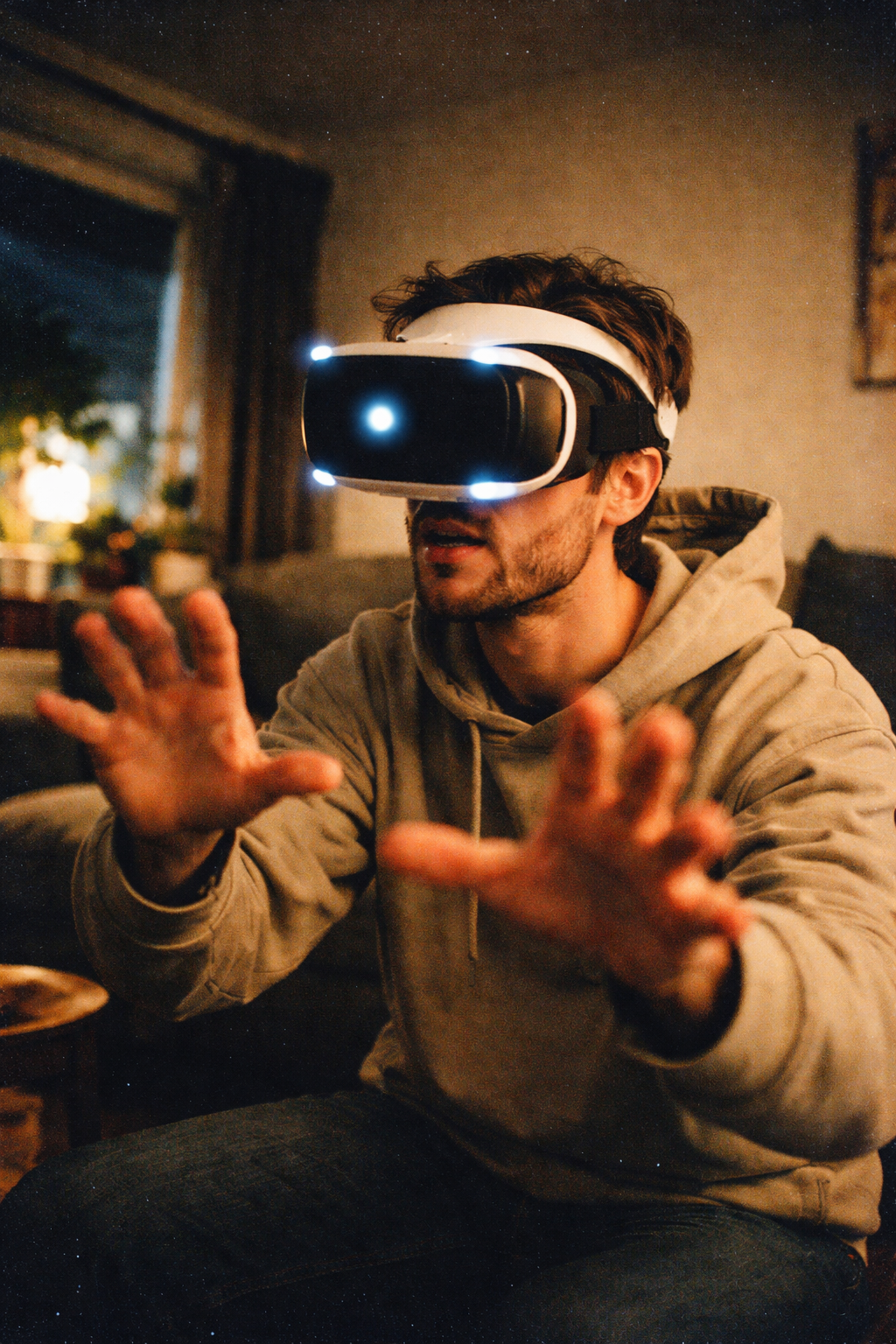
Using virtual reality, or VR, visitors can move through a digital space where objects, images and sounds reveal different parts of a person's life.
In research presented at the CHI 2025 conference, the team explored how such an environment could be designed collaboratively by the person being remembered and their loved ones.
A memorial shaped by personal stories
Unlike a conventional online memorial page, a VR environment allows visitors to experience a space from within.
The researchers wanted to investigate how this technology could create a personal place of remembrance rather than simply another archive of photographs and written messages.
Participants were invited to reflect on the memories, objects and experiences they would want to leave behind.
They selected photographs, described meaningful events and considered what atmosphere their memorial should convey.
Family members were also involved in discussing and shaping the design.
An important part of the research was therefore not the technology itself, but the conversations that emerged when people considered how they wanted to be remembered.
A piano that brings memories to life
In the prototype, visitors could explore different areas and discover stories by interacting with objects.
Selecting an item from a bookshelf could open another virtual setting. Photographs could appear at life size, while a sewing machine became part of a visual experience connected to personal memories.
Sound also played an important role.
As visitors approached a piano, music with personal significance began to play. The closer they moved, the more clearly they could hear the melody.
The researchers examined how these details might help communicate personal stories and encourage reflection.
The aim was not to recreate a deceased person, but to build an environment through which aspects of their life and relationships could be explored.
Who decides how someone is remembered?
One of the study's findings concerned the differences between the wishes of the person creating the memorial and those of their relatives.
The person might want to emphasise shared family experiences, while relatives might also wish to include stories from other periods of their life.
Questions arose about which relationships should be represented and who should be allowed to contribute material.
A memorial focused mainly on one part of a family could leave other loved ones feeling excluded.
The researchers therefore highlighted the importance of considering several perspectives during the design process.
A digital legacy is shaped not only by how someone wishes to be remembered, but also by the memories other people hold.
A small study, not a proven treatment for grief
Eight people participated in the research project. The completed VR environment was tested by one participant and several members of her family.
They explored the memorial using a VR headset and were then interviewed about their experiences.
The findings offered insights into how personal objects, sound and movement within a virtual environment might influence the experience of remembrance.
But the study had significant limitations.
The researchers evaluated a prototype and simulated how the memorial might be used after the person's death. They did not follow bereaved relatives through an actual grieving process or assess long-term psychological outcomes.
The research therefore does not establish that VR memorials help people recover from grief.
A possible addition to physical places of remembrance
Virtual memorials could eventually offer families new ways to share stories and revisit meaningful experiences.
They might allow someone to explore a loved one's life through photographs, familiar sounds and personal belongings without having to travel to a particular location.
Yet practical questions remain.
Who will maintain a virtual memorial over decades? How can its contents survive changes in technology? And who should decide which visitors can access or alter the space?
Such questions would need careful consideration before immersive memorial environments could become a more established part of remembrance practices.
A place to explore a life
The South Korean study does not predict the future of funerals. Instead, it demonstrates one possible approach to using digital technology for personal remembrance.
A virtual memorial need not resemble a cemetery or chapel. It can be shaped by the places, objects and sounds that mattered to a particular person.
Its potential may lie not in replacing graves or shared ceremonies, but in making more of someone's life story available for others to discover and share.