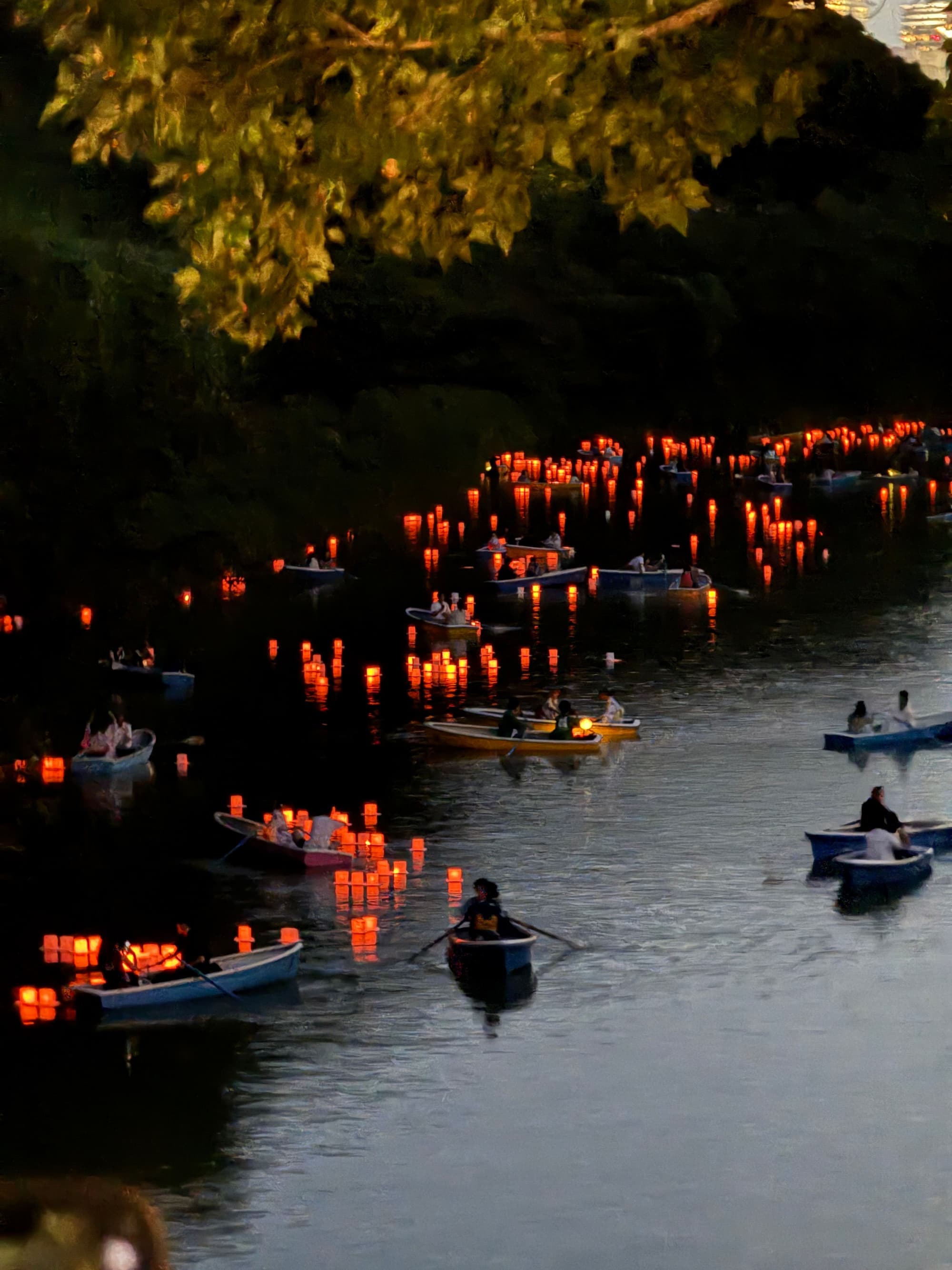
Funeral customs reveal much about how societies understand death, remembrance and the bonds between generations. Practices vary widely across cultures, religions and communities, yet they often serve similar purposes: allowing people to say goodbye, express grief and honour those who have died.
The International Federation of Thanatologists Associations (FIAT-IFTA) is seeking to bring greater attention to these traditions as an important part of the world's living cultural heritage.
The initiative, Honouring Our Heritage: Funeral Traditions and the Preservation of Intangible Cultural Heritage, was highlighted in connection with UNESCO's International Day of the Intangible Cultural Heritage in October 2026. It was also included in the programme of FIAT-IFTA's international gathering in Charlotte, North Carolina, later that month.
Traditions passed from one generation to the next
Unlike historic buildings or museum objects, intangible cultural heritage exists through living practices and shared knowledge. It includes ceremonies, storytelling, music, craftsmanship and rituals passed down through generations.
Funeral traditions form part of this heritage. The treatment of the deceased, the ceremonies surrounding death and the ways families remember loved ones can carry profound cultural and personal meaning.
But traditions are not static. Migration, urbanisation, technological developments and changing social values all influence how people mourn and commemorate the dead.
Some customs adapt to new circumstances. Others may gradually disappear as communities change and knowledge is no longer passed on.
An international effort
Since 2010, FIAT-IFTA has documented funeral customs through its Funeral Heritage Reports. The new initiative aims to build on this work through an annual programme highlighting funeral traditions from different parts of the world.
The federation is also inviting individuals and organisations to suggest customs from their own countries and communities that deserve recognition and documentation.
Although the initiative has been presented in connection with UNESCO's work on intangible cultural heritage, it is led by FIAT-IFTA. It does not represent a new UNESCO designation granting heritage status to funeral traditions.
A heritage that continues to evolve
Funeral traditions are not simply remnants of the past. They continue to evolve as people find new ways to remember the dead while maintaining customs inherited from earlier generations.
By documenting these practices, FIAT-IFTA hopes to preserve knowledge of diverse funeral cultures and make it accessible to future generations.